AC Repair · Yuma, AZ
AC Repair in Yuma, AZ
As of August 2026, AC repair in Yuma typically costs $150–$650 for common jobs, with major repairs like a compressor replacement running higher. Yuma HVAC Repair connects you with a vetted local provider serving the area.
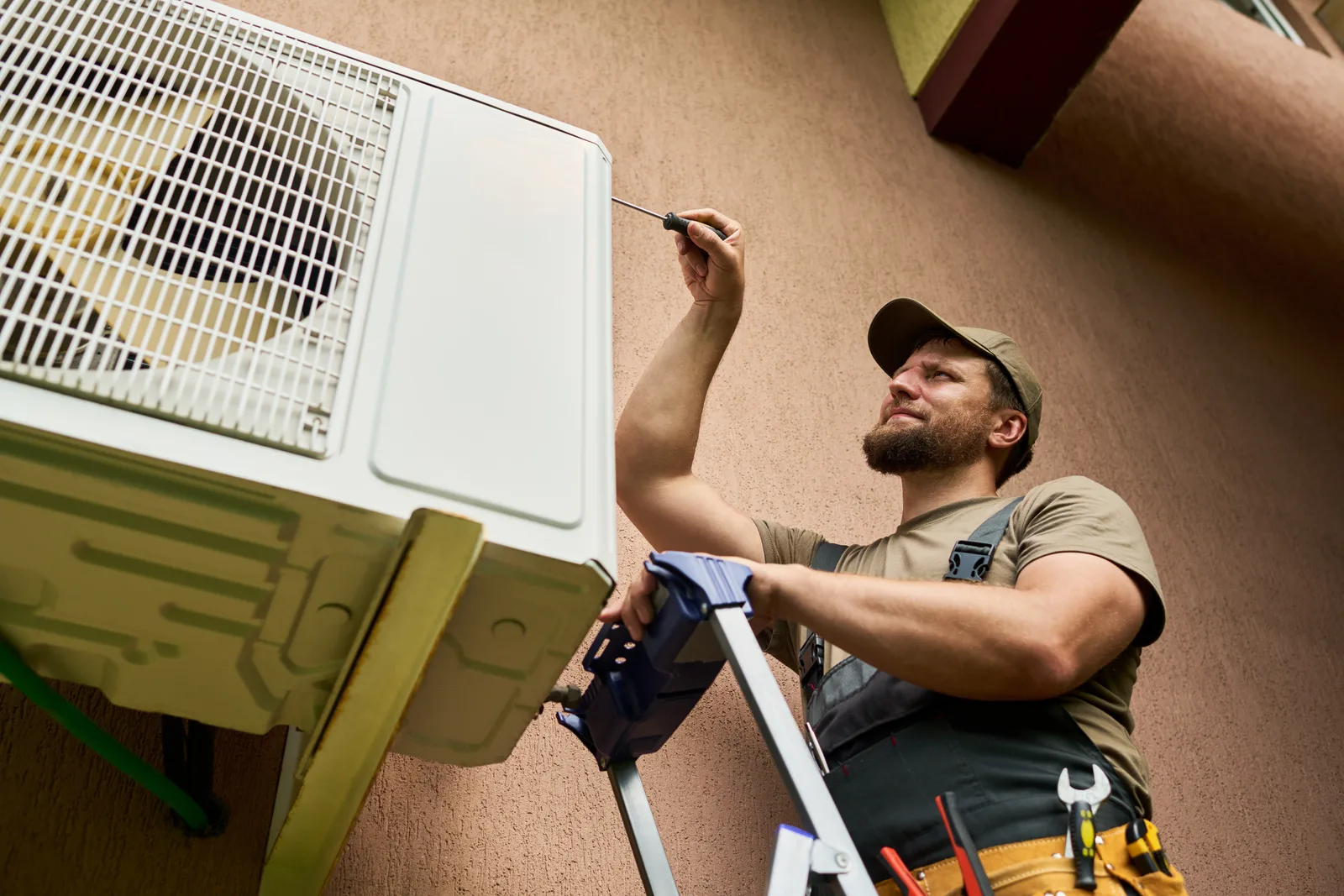
What happens during an AC repair call
A typical visit starts with a diagnostic — the technician checks refrigerant levels, electrical components (capacitor, contactor, relays), airflow at the vents, and the condensate drain, usually for a flat $75–$180 fee that many providers credit toward the repair if you move forward. Once the cause is identified, you should get a written estimate before any repair work begins — that's your chance to ask what's included and whether the quoted price is parts-and-labor or labor only.
The most common AC problems in Yuma
Yuma's climate creates a specific failure pattern that's different from what a national "top 10 AC problems" list will tell you. The system runs longer per year here than almost anywhere else in the country, and the area's fine desert dust works into components that milder, cleaner climates don't stress the same way.
- Capacitor failure. The part that gets the compressor and fan motor started wears out faster under Yuma's near-continuous summer duty cycle. A dead capacitor usually shows up as a unit that hums but won't start, or short-cycles.
- Clogged condensate line. Dust mixes with condensation to form a sludge that clogs the drain line faster here than in less dusty climates — the cheapest fix on this page, and the one that causes water damage when it's ignored.
- Dust-fouled coils and filters. Reduced airflow from a dirty filter or coil is the single most preventable cause of a system that runs but doesn't cool well — and the fastest thing a homeowner can check before calling anyone.
- Refrigerant leaks. Not caused by the climate directly, but a system already working at its limit all summer gives you less margin once a slow leak starts reducing cooling capacity.
- Contactor wear. Same continuous-duty story as the capacitor — the electrical contact points pit and burn faster with more total run hours per year.
Before you call: a 5-minute self-check
Not every "AC isn't working" call turns out to need a technician. These checks take a few minutes and either fix the problem outright or give the technician a head start when they do come out:
- Check the thermostat. Confirm it's set to Cool, the target temperature is below the current room temperature, and the display has power (replace batteries if it's blank).
- Check the breaker panel. HVAC systems typically have two breakers — one for the indoor air handler, one for the outdoor condenser. A tripped breaker that won't reset is a sign of a real electrical fault; don't keep resetting it.
- Check the air filter. A filter clogged with desert dust is the single most common — and most preventable — cause of weak airflow or a system that runs constantly without cooling. Replace it if it's visibly gray or clogged.
- Look at the outdoor unit. Confirm it's not blocked by debris, and listen for whether it's running at all. If the indoor blower runs but the outdoor unit is silent, tell the technician that detail when you call.
- Check for ice on the indoor coil or refrigerant lines. A frozen coil usually means restricted airflow or low refrigerant — turn the system to "fan only" or off to let it thaw before a technician arrives; running a frozen system can damage the compressor.
How pricing varies by what's actually wrong
"AC repair cost" isn't one number — it's a range driven almost entirely by which part failed and how hard it is to reach. A few patterns worth knowing before you get a quote:
- Electrical component repairs (capacitor, contactor, relay) are usually the fastest and cheapest fixes — often completed in the same visit as the diagnostic, which is part of why they sit at the low end of the pricing table below.
- Refrigerant-related repairs cost more because they require locating the leak (sometimes with dye or an electronic leak detector), not just topping off refrigerant — a recharge without finding the leak first is a temporary fix that a reputable company should flag, not hide.
- Access difficulty adds labor time regardless of the part — a capacitor in an easy-to-reach outdoor unit costs less to replace than the same part behind a tight attic air handler.
- Time of year and time of day change price. A repair booked during a normal weekday in April costs less than the identical repair called in as an emergency on a 115°F Saturday in July, when after-hours surcharges and higher demand both push the number up.
Timing a repair vs. a pre-summer tune-up
Given how much of the year Yuma spends cooling, an annual tune-up in March or April — before the peak-heat season named on this site's homepage — is the single best-timed maintenance call most homeowners can make. A tune-up visit typically checks refrigerant charge, cleans the condensate line before dust-driven clogs form, tests capacitor and contactor health before they fail outright, and confirms the system is ready for months of near-constant run time. It costs less than an emergency repair and dramatically lowers the odds of a mid-July no-cool call.
Emergency and same-day AC repair
A complete no-cool failure during peak summer (roughly June through September, when Yuma sits at 100°F+ on most days) is a genuine emergency — indoor temperatures climb fast, and that's especially risky for infants, older adults, and pets. While you're waiting for a technician:
- Check that the thermostat has power and is set to Cool, below room temperature.
- Check the breaker for both the indoor air handler and the outdoor condenser.
- Check whether the outdoor unit is running — if the indoor blower runs but the outdoor unit doesn't, that's useful information for the technician.
- Use fans, close blinds, and move to the coolest room in the home while you wait.
Most local Yuma providers offer same-day or after-hours emergency dispatch for an added fee on top of the standard diagnostic charge — ask for that number upfront before agreeing to a same-day visit.
What AC repair costs in Yuma (snapshot)
Full breakdown, sourcing, and methodology live on the AC Repair Cost Guide. Quick reference:
| Repair | Typical range |
|---|---|
| Diagnostic / service call | $75–$180 |
| Common repair, all-in | $150–$650 |
| Capacitor replacement | $125–$375 |
| Condensate drain clog/clear | $100–$350 |
| Refrigerant leak find + repair | $250–$1,500 |
| Compressor replacement | $1,200–$2,800 |
Two related guides worth a look: the Snowbird AC Checklist if you're arriving for the season, or the AC Not Cooling guide for step-by-step diagnostic help before you call.
Vetting a Yuma AC repair company
- Confirm an active Arizona Registrar of Contractors (ROC) license — see the step-by-step lookup in our Best HVAC Companies guide.
- Get the diagnostic fee and any emergency surcharge in writing before the technician arrives.
- Ask whether the estimate is parts-and-labor or labor only.
- Ask how long the repair is warrantied.
Red flags
- A company that won't provide a license number when asked.
- Pressure to authorize an expensive repair on the spot with no written estimate.
- A quote for a full system replacement before a proper diagnostic has been done.
Frequently Asked Questions
How much does AC repair cost in Yuma?
As of August 2026, common AC repairs in Yuma run $150–$650, with simple fixes like a capacitor at the low end and major component repairs at the high end. See the full AC Repair Cost Guide for a complete breakdown by repair type.
Why does my AC keep failing in the same way every summer?
Yuma's near-constant cooling season means capacitors, contactors, and condensate lines work far more hours per year than in milder climates, so the same wear-driven parts fail on a shorter cycle. A pre-summer tune-up catches most of these before they become a no-cool emergency.
What counts as an AC emergency in Yuma?
A total no-cool failure during peak summer (June–September) is the clearest case — indoor temperatures can climb into an unsafe range within hours in Yuma's heat, especially for infants, older adults, and pets. Most local providers offer same-day or after-hours dispatch for exactly this situation; expect an added emergency-call fee.
Do you send the technician who repairs my AC?
No. Yuma HVAC Repair is an independent guide, not a repair company — we connect you with third-party local providers who perform the actual work. Verify any company's license and reviews yourself before hiring; our Best HVAC Companies guide includes a walkthrough for that.
Should I get a pre-summer AC tune-up?
Yes — scheduling a tune-up in March or April, before peak heat season, is the single best-timed maintenance call for a Yuma home. It catches capacitor and contactor wear, clears condensate lines before dust clogs them, and confirms refrigerant charge before months of near-constant run time, typically for less than an emergency repair would cost.
My AC is frozen — what should I do?
Turn the system to fan-only or off and let the ice fully thaw before a technician arrives — running a frozen system risks damaging the compressor. A frozen coil usually points to restricted airflow (often a clogged filter) or low refrigerant, both of which a technician can diagnose once the ice is gone.